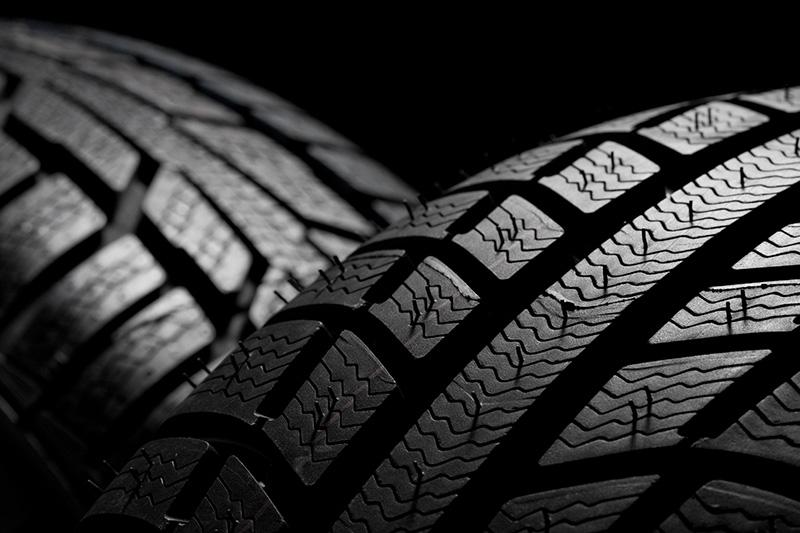
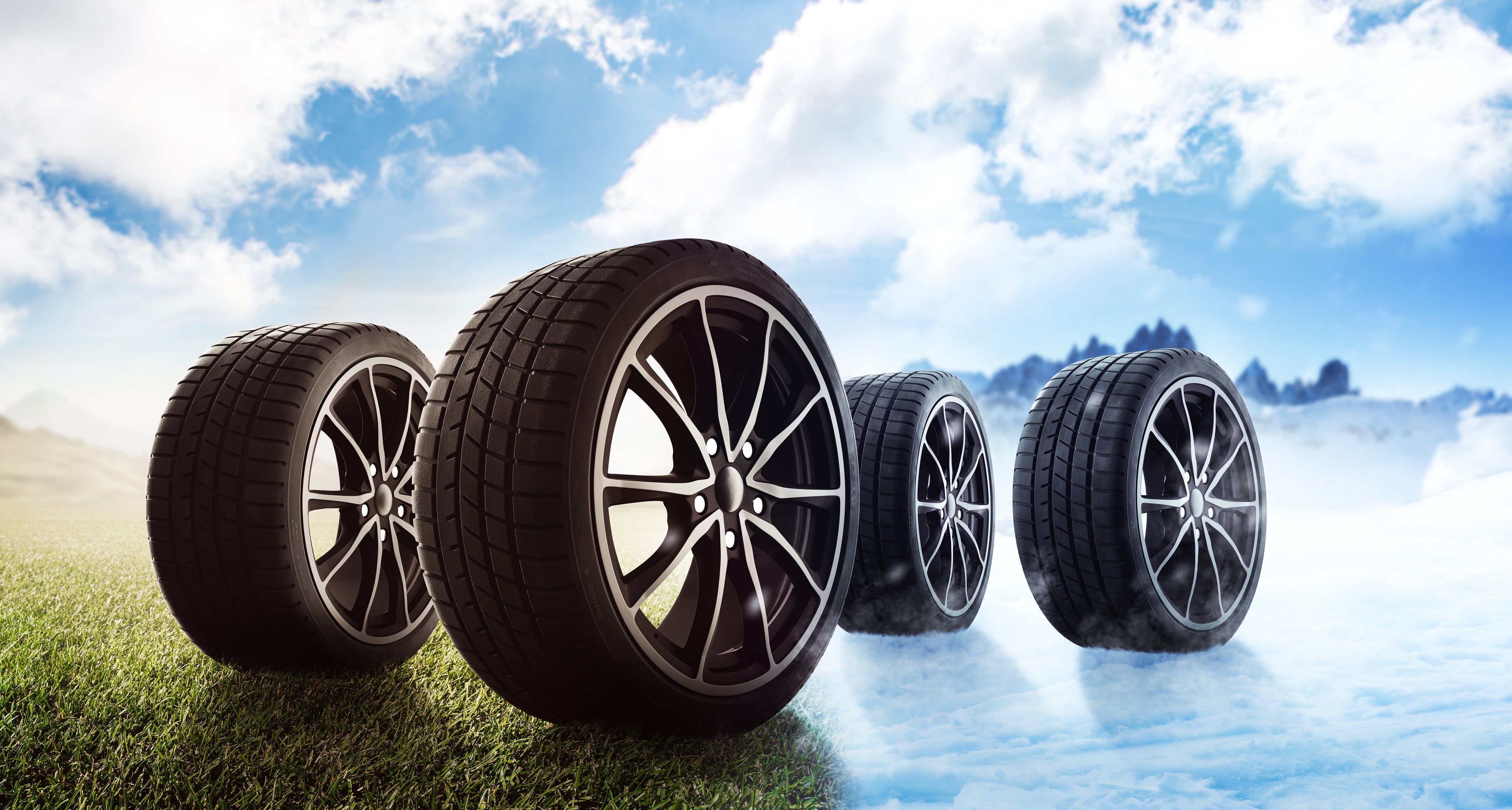
At the Tire Shop It’s 4pm on a Friday afternoon and you’re in line at the tire shop anxiously awaiting the enormous bill that you’re about to incur. “Next!” yells out the middle-aged service writer, motioning from amongst a whirlwind of paperwork, for you to come to the counter. At the counter you tell the service writer that you need four new tires and he asks you “Summer, winter, all-season?” and it dawns on you at that moment that you’re totally unprepared for this question. “There’s a difference in tires?” you think to yourself, and your mind begins to wonder how you’ve gone so long not knowing there were different tires, let alone what those differences are. Being in a position like this isn’t all that uncommon, unless you’re a car enthusiast or a mechanic yourself, chances are you were never told about the differences in tire compounds and why there is even a need for different tires. They say you learn something new every day, and today’s lesson is on the various tire compounds and their specific uses, so buckle in and come along for the ride. Different Tires, for Different Seasons Both the summer and winter are filled with their own unique wonders and magical times, but also filled with their own unique challenges at the same time. Winter can be cold, harsh, and unforgiving, both to humans and machines alike. While the summer may not come with ice and snow like winter, it can still be host to poor or dangerous driving conditions just like winter is. With the winter and summer being total opposites, it makes sense that there isn’t just one tire to handle both seasons. Tire manufacturers nowadays have tire offerings in three different categories, Summer, Winter and All-Season, each boasting their own advantages and disadvantages. Now you may be wondering, why not just buy all-season tires for all the seasons? Stick around and read about why all-season tires aren’t necessarily for all of the seasons, and why winter tires should be kept to colder temperatures. Summer Tires Summer tires are excellent dry and wet condition tires in warmer weather, making them perfectly suited for rainy summer evenings and sweltering hot afternoons. In order to gain superior traction and handling that summer tires are known for, they were designed with less grooving for water clearance and even have a more streamlined tread pattern which increases the amount of tire in contact with the road, ultimately providing better traction. On top of the increased traction and handling, summer tires also boast better fuel economy due to their reduced rolling resistance. While summer tires are great because of their increased traction and handling, the technology used to achieve those results ends up being detrimental to the car and driver if driven in cold weather conditions. Because of the summer tires' streamlined tread design, they become much more brittle in cold weather and therefore are considered unsafe in winter driving conditions. Purchase your summer tires and have them mount and balanced at Avalon Honda in Cape May Court House, NJ, then hit the roads in confidence with your new tires. Winter Tires Cold weather brings a plethora of problems, from snowfall shutting down roads to black ice causing accidents, the winter is no joke. That is why it’s imperative to head into every winter prepared for the challenges the cold weather forces you to encounter daily. One way to fight back against the cold, cruel beast that is winter is with winter tires. Winter tires are designed with more natural rubber in the tire compound, allowing the tire to maintain flexibility even in temperatures below freezing. In addition to the unique rubber compounding, winter tires boast more aggressive tread patterns that help dig into the snow and ice, providing traction and handling without having to stud the tire. While winter tires are great in cold weather, it’s not a great idea to keep them on during the warmer months as the softer rubber compound will cause accelerated wear and tear of the tire and pose handling and traction issues as well. After running winter tires during the cold weather months, make sure to switch off to a good summer tire or a set of all-season tires. Before winter sneaks up on you, make sure to drop by Avalon Honda's Service Center to get your winter tires and winter servicing. All-Season Tires All-season tires means they can be used in all seasons right? Unfortunately, that is a common misconception amongst drivers today, with most drivers believing they can run one set of all-season tires year-round with no issues. While all-season tires sound like they can do it all, they really just excel at being mediocre in all seasons. With winter tires sporting extra rubber to maintain a softer compound for the cold weather conditions, and summer tires boasting a stiffer tire that provides better traction in warm weather, all-seasons take a bit of inspiration from both which results in a hybridized version of summer and winter tires. All-season tires sacrifice a bit of the warm and wet weather traction in favor of being able to grip in ice and snow, making them a great choice for those that live in climates that don’t drop below freezing often or if at all. The true way to determine if an all-season tire is the right tire for you is to base it off of your local climate, a very neutral climate area is the best place to use all-season tires in. If you’re looking for a great middle ground between summer and winter tires, purchasing all-season tires at Avalon Honda is a great option. Which Tire is Best for Me? Choosing a tire seemed simple before all of this info, right? While there are many factors that go into purchasing a tire, you don't have to be an expert to make a choice, as our parts experts at Avalon Honda will guide you in choosing the right tire for your vehicle. In order to make it a little easier to select a tire, consider your climate and daily driving conditions first, then make sure to stop by Avalon Honda in Cape May Court House, NJ to speak with a parts professional and order your tires today!