



Changing Tires with the Seasons
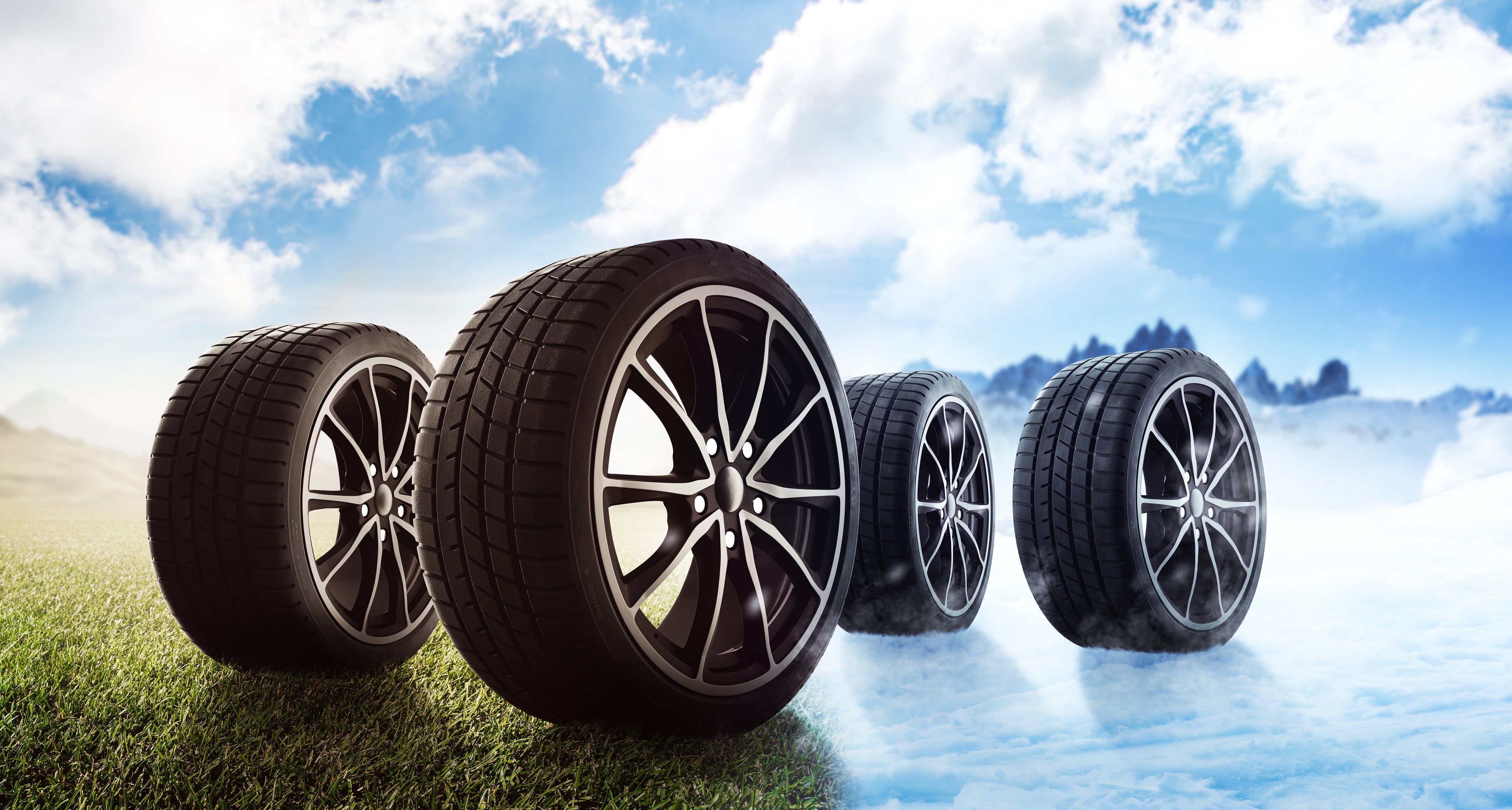

Spring is finally upon us, meaning Opening Day of the baseball season, Mother's Day, and a plethora of airborne irritants. At long last, it’s time to leave the familiar confines of home behind and embark on outdoor adventures. Of course, before you can do so, you need to make sure your vehicle is in a proper state to get you to your various spring destinations. Courtesy of Avalon Honda, here’s a handy checklist of what components need inspecting before you put your vehicle back on the road. While they’re listed by approximate order of importance, make no mistake that each is vital to your Honda’s short and long-term health. 1. Battery Your battery runs a greater risk of depletion during colder months, so the first thing you want to do when the weather warms up is make sure your battery is along for the ride. Although the average car battery lasts between four and five years, it drains at a much higher rate in extreme elements. That makes spring the logical time for a battery diagnosis, so that you can replace it before tourist season begins and your engine starts to cook in the summer heat. 2. Fluids As surely as you spent the winter throwing back spiced beverages, your vehicle was guzzling through its own fluids. Change your oil if you haven’t done so since last summer, and consider switching your oil’s viscosity to a heavier weight for the warmer weather ahead. Keep your engine oil full to keep your engine protected and functioning normally. Refill your brake fluid, steering fluid, and coolant to their appropriate levels. Lastly, top off the windshield fluid: if not empty, it’s probably nearly spent from combatting sleet, salt, and other winter build up. 3. Tires Just as batteries are more susceptible to drainage during colder months, your tires stand a greater chance of deflation. For every 10 degrees the temperature drops, your tires could lose a full PSI. If you swapped out for winter tires last year (and kudos if you did), now is the time to transition the switch back to summer tires. If you’re rolling with the same tires, make sure to measure your air pressure pronto. Look for your tires’ recommended PSI levels on the sticker inside your driver’s door and inflate accordingly. Need a new set of wheels for the new year? Look no further than Avalon Honda's Tire Center. 4. HVAC System If you had the heat in your car running continuously throughout the winter, that means the same HVAC system that controls your air conditioning hasn’t been taking a vacation. Make sure you have cool air coming out of your vents before it really gets sweltering. Refill your coolant until it reaches its appropriate levels. Lastly, replace your cabin air filter, as it’s likely accumulated a good deal of dust, dirt and debris during the winter. 5. Wiper Blades Your windshield is often working overtime to maintain visibility during the winter. Between snow, ice, frost, and salt, there's more than enough to keep your blades occupied. As the rainy spring season approaches, take this time to install a set of well-functioning, seasonally appropriate blades. Checkmate If you’ve checked off all five items from your list, congratulations! Your vehicle is officially spring-certified. And if you need help with any part of your checklist, fear not: Avalon Honda's Service Center has you covered. From tire rotations to oil filter changes, we’re your one-stop shop for all your Honda's maintenance needs. Schedule your service with us today. This Easter, hop on down to Avalon Honda; we’ll make sure your Honda is set to deliver you to all the adventures that await you this spring and beyond.
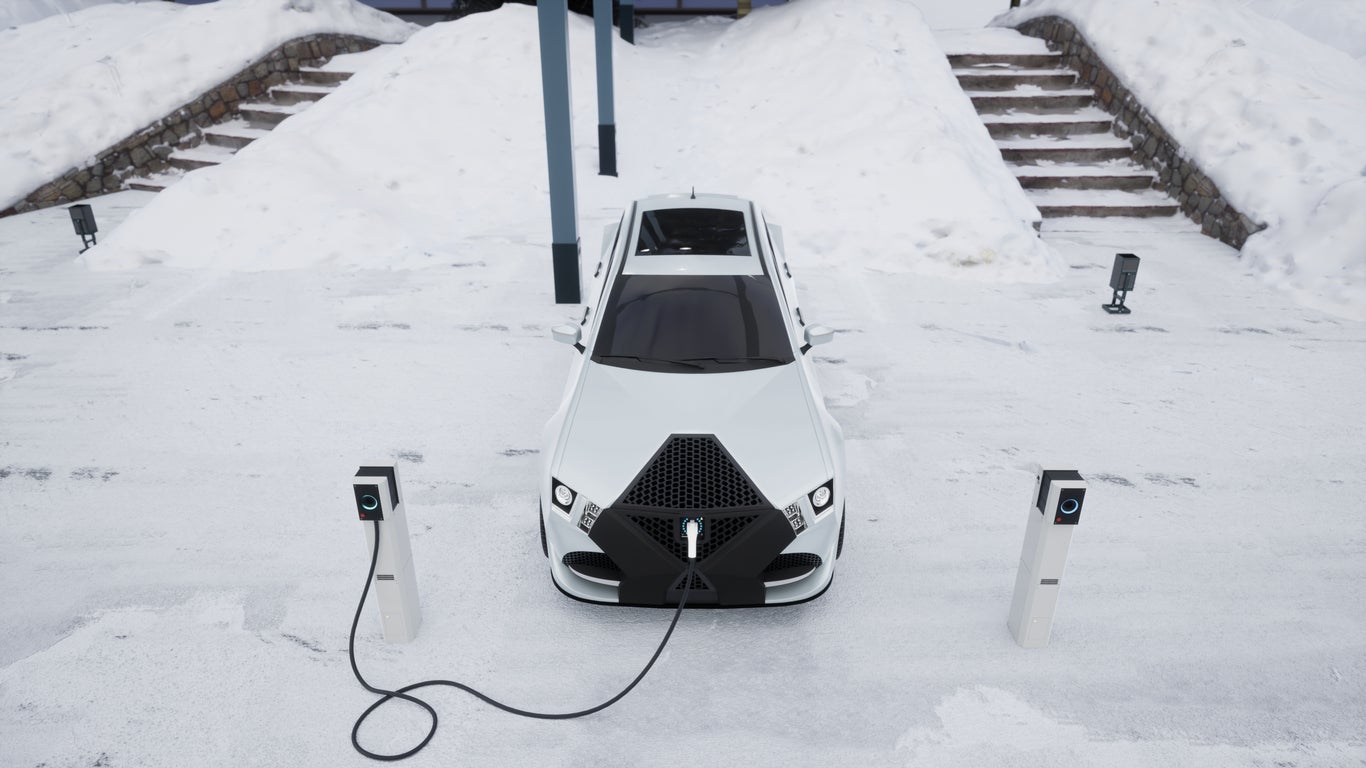
The winds of winter are out in full force, leaving us to make the proper adjustments. The heat is cranked up, the salt is spread across the sidewalk, and the winter wardrobe has once again taken up residence in the closet. Meanwhile, perhaps you’ve noticed your new Honda CR-V acting a bit more sluggish than it did during the summer and fall. Considering that even traditional car batteries struggle in cold conditions, it should come as no surprise that electric vehicle owners need to stay extra attentive throughout winter. Your EV’s range and performance will inevitably drop a little until the weather warms up, but by implementing these maintenance tips, you won't have to worry about your EV running out of charge and being stranded in the cold. Don’t Let Your Battery Dip Below 20% Due to lower battery performance and increased energy consumption, EV owners can expect a 20-30% decrease in range during the winter. This is normal, as the lithium ions in electric batteries slow down when the temperature decreases. EV batteries aren't that different from the human body; warm weather is their natural preference, with optimal temperatures of 59-95 degrees Fahrenheit. So then what to do when winter intervenes? First, as an important precautionary measure, don’t let your battery fall below a 20% charge. Since batteries are more susceptible to sudden depletion in the winter, letting the charge drop to that level is risky. Keep your car charging when not in use - the same as you would with your phone, tablet, or other essential electronic device. Park Indoors When Possible If you own a garage or a similar storage unit, try to keep your car parked inside for the duration of winter. Of course, street parking is the only option for many of us. If that’s the case, keep the battery engaged by starting it at least once a day, rather than leaving it parked for long stretches. If you have no choice but to leave it parked for an extended period, make sure the battery is charged to at least 70% to avoid degradation while idle. You'll also want to avoid fast (or DC) charging. Though it may not be convenient, it’s healthier for the battery to charge at slower speeds during the winter. Level 1 charging, generally the slowest charging option, is actually the preferable option for cold weather. Additionally, remember to leave your EV in ECO mode. Monitor Heat Levels Before heading out to work or run errands, it's a good idea to preheat your electric vehicle. By incrementally increasing the heat, you can minimize the strain on the battery when you start driving. Whenever feasible, it's recommended to charge your car while heating it, as this will draw power from the charger rather than the battery, maximizing your daily range. After warming up the car, try to be mindful of your heat's usage. Instead of relying solely on the heater, consider utilize your heated seat to keep warm. Consistently blasting the heat will impact your range. Don't allow yourself to drive in discomfort, but be mindful not to over-exert the heater. Remember, it doesn't appreciate the winter any more than you do. Remember That We're Always Here to Help If your vehicle is still succumbing to the effects of winter, make a trip to Avalon Honda today. Explore whether a hybrid battery replacement for your hybrid or plug-in might be your best course of action. Here at Avalon Honda, our team of service professionals works around the clock to ensure your vehicle gets the service it needs to make it to Beach Season with a clean bill of health.
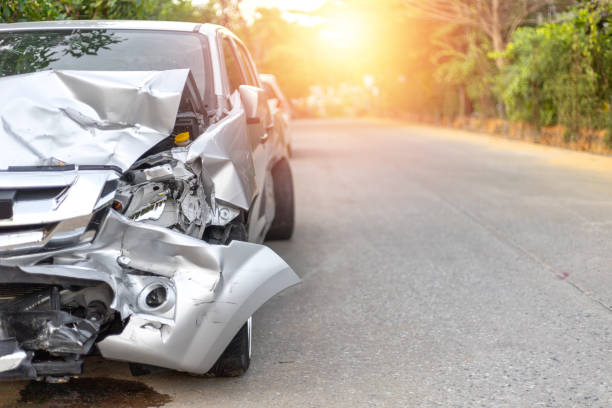
When you get in a car accident, a million thoughts swim through your head at the point of impact. It’s not unlike being swept under the ocean current by a wave, unable to differentiate up from down. As your mind snaps into survival mode, secondary thoughts of repair costs and insurance rates undoubtedly start competing for mental real estate. Your own health and safety should always be the primary concern when you’re in an accident. And in a perfect world, the status of your car would be a distant, trivial matter. Alas, our world doesn’t stop moving, and both you and your vehicle need to be back on the road as soon as possible. Fortunately, Avalon Honda’s Collision Center in Cape May Court House turns collision repair and bodywork into a stress-free endeavor. From paintless dent repair to pre-accident restoration, our certified collision repair experts will have your car looking good as new before you know it. Certified Fresh When we say your vehicle is in the hands of top auto experts, we’ve got the paperwork to back it up. Avalon Honda is proud to be a Gold Class collision repair business – one of only two iCar Gold Class collision centers in Cape May County. As a Gold Class shop, our service technicians must undergo annual training that brings our operation up to speed with new vehicle technologies and the latest repair techniques. Though only 10% of America’s collision centers are Gold Class, we weren’t content with stopping there. We’re also Cape May County’s only authorized ProFirst Collision Center, faithfully upholding Honda’s rigorous standards. ProFirst Certified shops immerse themselves in ongoing industry education, continuously earning third party certifications. As part of our ProFirst certification, our Collision Center has been meticulously inspected by Honda itself. This ensures we have the necessary equipment and training to properly repair your vehicle to Honda’s high caliber. At Avalon Honda, we don’t take any shortcuts when it comes to restoring your vehicle the right way. Types of Restoration Services Offered Our team is prepared to service your vehicle in whatever condition it’s brought to us in. From simple scrapes and dents to major repairs, as long as your vehicle isn’t deemed a total loss, we can restore it. Types of services we offer include, but aren’t limited to: Paintless Dent Repair: Having to fix a dent in your Honda is an inconvenience, but with rare exceptions, it’s hardly a bank breaker. By the time our certified team has popped everything back in its right place, it’ll be as though those dents never existed. Windshield Repair: When your windshield is struck by a rock or other errant road materials, small impact cracks can be left in their wake. If these diminutive cracks are dealt with promptly, they shouldn’t leave much of a trace. But if left untreated, these small cracks can expand past the initial impact area, endangering the entire windshield. Avoid the cost of a complete windshield replacement and contact us at the first sign of these annoying blemishes. Bumper Refinishing: If you’ve ever been in a minor fender-bender, you know it’s not the worst thing that can happen to your vehicle from a performance perspective. But from an aesthetic standpoint, scrapes and scuffs on your bumper are an irritating eyesore. Thankfully, bumper covers are removable and can generally be refinished without the need for a full replacement. At Avalon Honda, we’ll make sure everything is straightened out. Receive Your Estimate Today If you’ve recently been in an accident and the initial wave of panic has subsided, rest easy; the worst part of the ordeal is behind you. Put your damaged vehicle – and your trust – in the hands of our certified collision repair team here at Avalon Honda. Get your estimate today and begin the process of turning this incident into a memory. Our team’s job is to remove all evidence of your vehicle’s damage – enabling you to put the past in the rearview and drive confidently into the future.