


Blog / Avalon Honda Tips & Tricks

A Guide to EV Tire Buying and Maintenance

Electric vehicles' recent surge in popularity can be largely attributed to one factor: range. Early iterations of the EV were hamstrung by battery limitations, and the distance you could travel before needing to stop for a charge was subsequently limited. But today, the average range of EVs has ballooned, landing anywhere from 250 – 500 miles. 

But as with traditional gas vehicles, countless variables can impact your car’s performance. One of the most crucial components to extending your EV’s range is your tires. When shopping for tires for your EV, it’s important to remember the type of vehicle they’re designed to support. 

In this guide, Avalon Honda helps maximize your range by explaining what you need to know about EV tires. 

Switching From Your Original Tires: The Risks 

It’s important to remember that the tires originally equipped on your electric vehicle were developed specifically for that car. EV manufacturers are well aware their vehicles have a unique set of needs, and the tires are designed to help maximize range.  

That said, every car owner has their own preference when it comes to their vehicle’s accessories. To be clear, it’s perfectly okay to trade in for tires more to your liking. But you need to be aware of the performance-altering effects such a switch might have. 

For example, you might understandably desire tires with better grip to enhance performance and braking. But by abandoning the tires originally intended for the EV, you’re leaving the vehicle vulnerable to factors like increased noise or decreased range. Conversely, if you opt for tires with slow wear to extend range, your EV could suffer from a downturn in performance. 

The right balance certainly exists and is attainable. But regardless of what tires you select, you’ll always run the risk of unexpected issues when you deviate from the intended EV tires. Consult our Tire Center and we’ll help you make the selection most suited to you and your EV. 

Watch Your Tires’ PSI 

If you’ve owned a gas-based vehicle, you probably know that under-inflated tires can lead to increased fuel usage. The same basic principle applies to electric vehicles. Being low by even a few PSI can radically affect your rolling resistance, which is crucial to an EV’s range. (For this reason, low friction tires are often preferable for EVs, as they lead to lower rolling resistance, and therefore increased range, efficiency, and overall sustainability.) 

It’s also important to remember during these cold winter months that the air pressure in your tires varies more significantly. Be sure to check the PSI levels of your car at least once per month this winter – and ideally more frequently than that.  

And if issues still arise or persist, make an appointment with our Service Department as soon as possible. 

Put a Charge in Your Life

Here at Avalon Honda, we pride ourselves in being at the forefront of modern ingenuity. Explore the 2023 Honda CR-V today, an unprecedented hybrid SUV of unparalleled performance and design. 

Whether you’re looking to join the EV community, are interested in another vehicle, or are looking to sell, Avalon Honda has everything you need to help you roll smoothly into the new year. 
Posted in:

Related Posts

Tips for Driving in Heavy Rain this Spring

April showers may eventually bring May flowers, but until that time arrives, they mostly bring headaches to drivers everywhere. Your vision is compromised, your brakes are slower to respond, and your fellow drivers can become more erratic. Suffice to say, the chances of an accident increase significantly in heavy rain. That’s why we have your back with these tips for weathering stormy conditions this spring. Courtesy of Avalon Honda, here's how you can keep yourself safe when caught in a spring storm. Make Sure Your Windshield Wipers Are Prepared to Go Your main line of defense against severe rainfall is, of course, your windshield wipers. If you haven’t swapped in a fresh pair this year, they’re probably exhausted from battling ice and snow over the course of our long, Jersey winter. Dull wiper blades can hurt your windshield as much as help it, leaving streaks and smears that can severely compromise your windshield’s visibility.  Getting yourself a crisp new set of blades for the spring is your first step towards being prepared when it starts to pour. Avoid Heavy or Abrupt Braking Every year, 75% of weather-related accidents occur on wet pavement – and 47% happen during rainfall. Practice more cautious braking technique when driving in storms, as it takes significantly longer to come to a complete stop. Instead of braking abruptly, take your foot off the accelerator earlier than you normally would, allowing your car to glide to a natural stop. Then, apply light pressure to the brake pad to coast to a gentle halt. Beware of Hydroplaning Just as it takes longer to come to a complete stop on wet surfaces, hydroplaning is more likely to occur. Hydroplaning occurs when your tires lose traction, causing your car to drive on the surface of the water rather than the surface of the road – which, in turn, causes you to momentarily lose control. If you start to hydroplane, do these three things in order: remain calm, take your foot off the gas pedal, and steer in the direction you want to go. To avoid hydroplaning, be on the lookout for standing water, steering around it rather than confronting it straight-on. And remember that our Tire Center is always at your disposal when you're in need of a fresh set. Maintain Your Distance from Other Cars During a thunderstorm (but really, any time), you should not be aggressively tailing slow drivers. Since we’ve established your car’s reaction and braking times are longer in wet conditions, you’re risking a fender-bender situation just by being close to other vehicles. Double your normal following distance instead, leaving a wide proximity between yourself and your fellow commuters. This also helps avoid water being splashed onto your windshield by larger vehicles – another viable visibility threat. Leave Your Headlights On In New Jersey, it’s state law that you must have your headlights on while your windshield wipers are in use. But regardless of where you live, having your lights on during a storm is both common sense and common courtesy. Not only is the added visibility necessary for your driving purposes, but it also alerts other drivers as to your location in these unclear conditions. There's literally no downside to leaving your headlights on in the rain, so get in the habit of doing so. Anticipate the Unexpected You never know when an April storm is going to hit. If the sky looks ominous and you haven’t hit the road yet, try to delay your departure until the weather improves. Inevitably, though, there will be times when you’re on Route 9 towards Cape May, the sky takes a turn for the worse, and the next exit isn’t for miles. (In this situation, don’t hesitate to pull over on the side of the road and wait for the worst to pass.) The best you can do is keep your car prepared for a downpour at all times. That's where the trained professionals at our Service Department enter the picture. Schedule your service appointment with Avalon Honda today and let us tend to your wiper blades, brakes, oil change, and more. And while you’re here, check out our expansive inventory of new and used Honda vehicles. From the always-reliable Honda Accord to the powerful Pilot SUV, we're sure to have the perfect companion for all the sunny drives that await, after the clouds part.

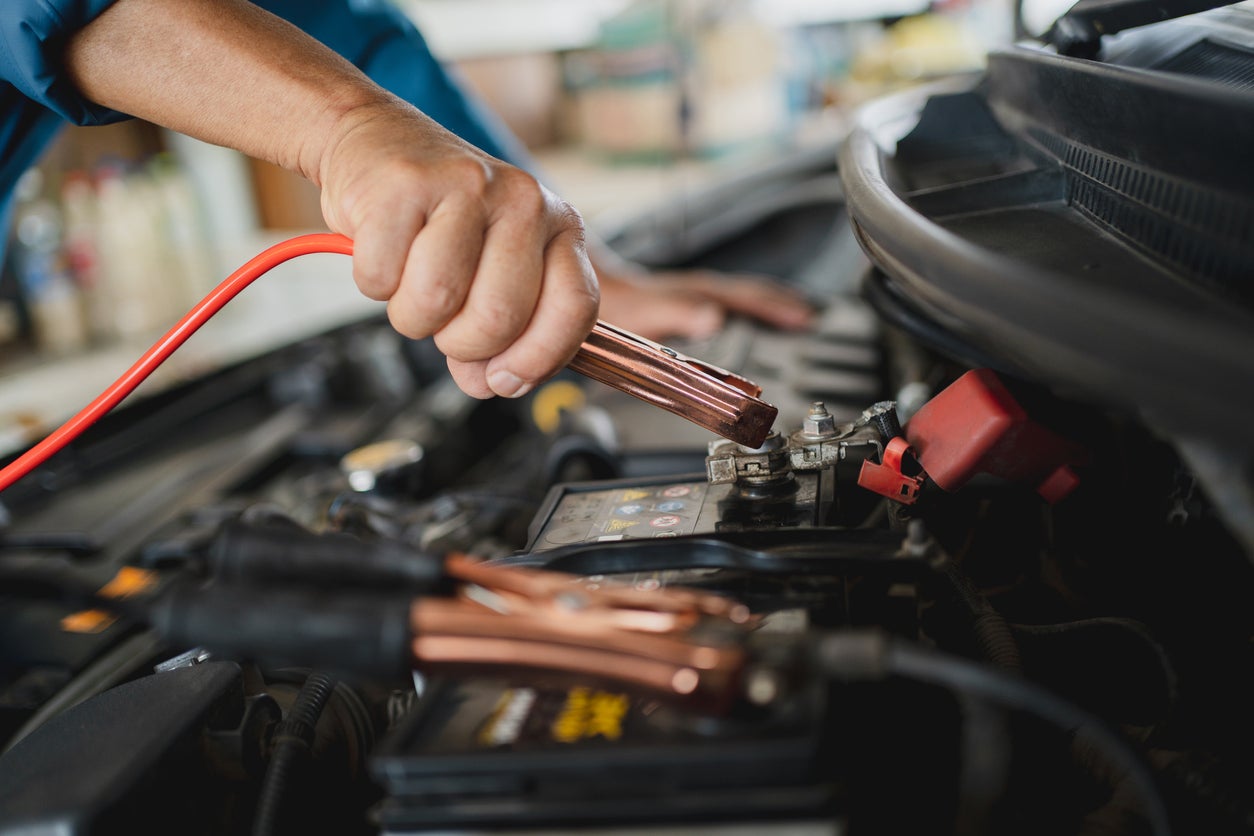
Close-up hands of a car mechanic holding the battery jumper wire. He uses battery jumper cables to charge a dead battery.

How to Jump Start a Car: A Step-by-Step Guide to Reviving Your Dead Battery

If your car battery has died, you're not alone. It's a common issue that can happen to anyone. Luckily, jump-starting a car is a simple process that can save you from having to call a tow truck or mechanic. In this blog, we'll guide you through the steps to jump-start your car safely and easily. Step 1: Check Your Battery Before you begin, inspect your battery to ensure it is properly attached and free of corrosion or leaks. These issues can cause the battery to fail, so be sure to address them before attempting to jump-start your car. Step 2: Gather Tools You'll need a few items to jump-start your car, including a set of jumper cables and a working car with a charged battery. Jumper cables are typically black and red with clamps on both ends and can be found at your local auto parts store or here at Avalon Honda. Park the working car close enough to your vehicle so that you can safely attach the jumper cables to both batteries with ease. Step 3: Attach Cables Start by ensuring both cars are turned off before attaching the jumper cables. Locate the positive and negative battery terminals on each car, terminals are usually color-coded and labeled with a plus (+) or minus (-) sign. Attach one end of the positive (+) cable (usually red) to the dead battery's positive terminal. Do the same for the support car's positive terminal. Take one end of the negative (-) cable (usually black) and attach it to the good battery's negative terminal. Finally, attach the other end of the negative cable to the dead car's negative battery terminal or an unpainted piece of metal on the car. Step 4: Start the Working Car and Wait With both vehicles properly connected, start up the working car and let it run for 15 to 20 minutes. As it runs, the charging system will begin to charge the dead battery on your vehicle. Step 5: Try Starting Your Car After fifteen to twenty minutes, attempt to start your own car. If it starts up, congratulations – you've successfully jump-started your vehicle! Next, disconnect the cables in the opposite order you connected them, taking care not to touch the metal parts of the cables together as you remove them. Remove the negative (-) cable from your car's battery, then the negative cable from the support car's battery. Do the same for the positive (+) cable on each vehicle. Once you disconnect the jumper cables, you’re done! Wasn’t that easy? Step 6: If Your Car Doesn't Start If your car still won't start, try repeating the process. If it still doesn't work, you may need to get a new battery or have your car inspected by a mechanic here at Avalon Honda. Final Thoughts Jumpstarting your car is easy and a practical skill that every driver should know — but prevention is always better than cure. Ensure that you turn off all lights and electronics in your car when the engine is not running. This will help prevent your battery from draining. Regularly maintaining your battery by cleaning it and checking for leaks or corrosion will also help prolong its lifespan. With the right tools and knowledge, knowing how to jump start a vehicle can put you back on the road quickly and avoid a costly tow truck call. Remember to always handle jumper cables with caution, as they contain electricity that can be dangerous if not used correctly. Follow these steps, and you'll be more than ready to jump-start your car the next time your battery dies on you.