


Blog / Automotive History

A Brief History of Car Paint Colors
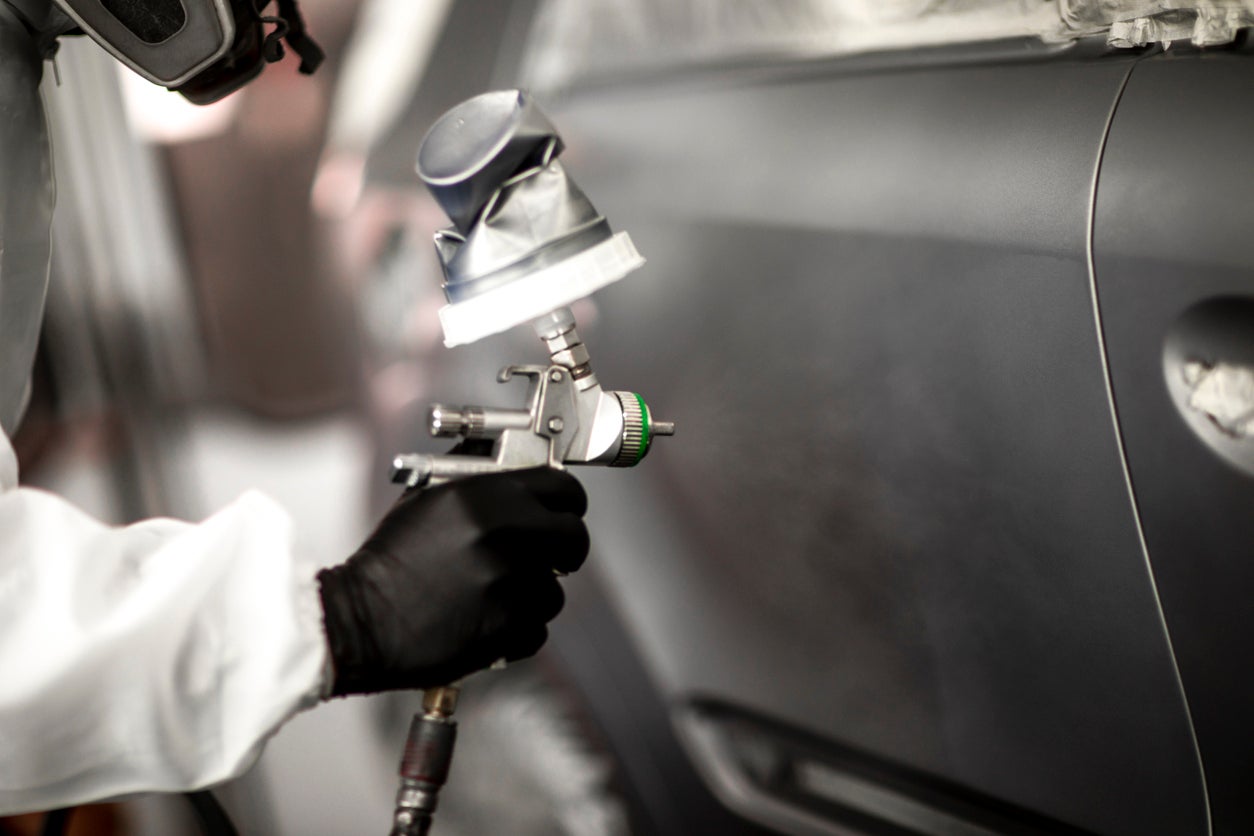
Car painter in white overalls spraying a car body with paint.
  Believe it or not, the colors that you see on cars today are the result of a long and complicated history. In the early days of the automobile, there were only a handful of colors to choose from. But as technology progressed and society evolved, so too did the palette of available car colors. Today, there are literally thousands of colors to choose from. Here's a brief history of how we got from there to here. The first cars were available in black, white, and gray. Black was by far the most popular color because it didn't show dirt and it was easy to keep clean. White was popular among rich people who wanted to show off their status. Gray was considered to be neither here nor there; it wasn't flashy like white and it wasn't as practical as black. By the 1920s, cars were available in a wide range of colors, including green, blue, brown, and even red. But black continued to be the most popular color among car buyers. In fact, nearly 60% of all cars sold in the 1920s were black. During the Great Depression, car sales plummeted and manufacturers began offering cars in a wider range of colors in an effort to boost sales. The most popular colors during this period were bright and cheerful shades like yellow and orange. By the time the 1930s rolled around, metallic paint was all the rage. If you wanted to show that you were wealthy and could afford the latest trends, you'd slap some metallic paint on your car. It was a status symbol. But it wasn't just the rich who could get their hands on metallic paint. Companies soon began to realize that they could use aluminum flakes to produce the paint, which made it much more affordable. So even people who weren't wealthy could have a car that shimmered and shone in the sun.. After World War II, car companies began offering more subdued colors like tan and beige. These colors were seen as more sophisticated and reflected the increased affluence of America's middle class. By the 1950s, pastel colors like pink and mint green had become extremely popular among female car buyers. In the 1960s, bright colors made a comeback as young people embraced psychedelic culture. This trend continued into the 1970s with the rise of disco culture. Common car colors during this period included gold, silver, and purple. Today, there are literally thousands of car paint colors to choose from. You can find cars in every color under the sun, from traditional shades like black and white to more daring hues like candy apple red and neon green. And thanks to modern paint technologies, you can even get your car custom-painted to match your favorite sports team or alma mater's colors. No matter what your taste may be, there's sure to be a car paint color that's just right for you. From the earliest days of the automobile up until today, car paint colors have come a long way. What started out as a limited palette has now exploded into a veritable rainbow of hues. So whether you're looking for something traditional or something that will make your car really stand out from the crowd, there's sure to be a color that's just right for you. Thanks for reading!  
Posted in:

Related Posts

HondaHistory2

A Brief History of Honda

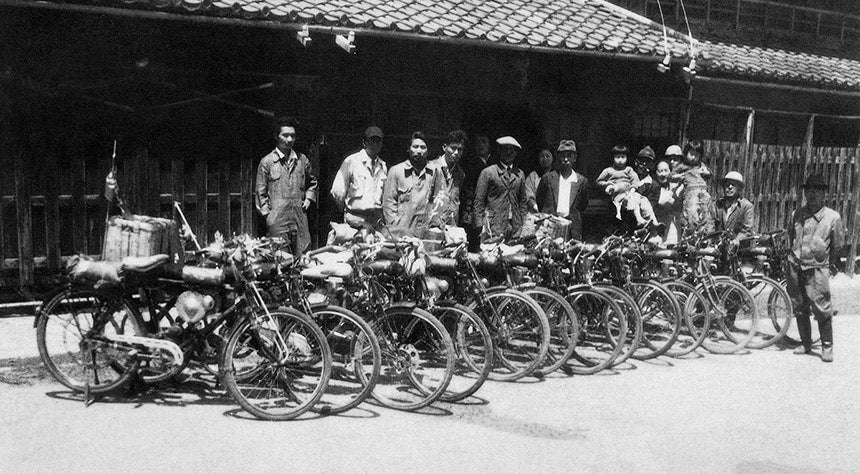
It’s a good time to be a Honda owner. They’re at the forefront of the electric vehicle and hybrid wave, with the 2023 Accord drawing favorable praise in the press over the Toyota Prius. And in addition to being the world’s number one motorcycle manufacturer since 1959, they’ve become the eighth largest automobile manufacturer in the world. Today, Avalon Honda takes a look back to see how we got here with a brief trip through Honda’s illustrious history. The Birth of Honda The story of Honda is one born from passion. Soichiro Honda, born in 1906, was seemingly interested in automobiles from the cradle. He spent his early life as a mechanic, tuning cars and entering them in races. In 1937, Honda founded Tokai Seiki, which translates to the Eastern Sea Precision Machine Company. This initial venture would face innumerable challenges throughout its infancy, as the piston rings Tokai Seiki supplied to Toyota as part of a contract were rejected by the established company’s quality control process. Soichiro Honda would require a stint at engineering school and a tour of Japan’s auto factories before his mass-produced piston rings were deemed acceptable by Toyota in 1941. Dealings and Destruction During Wartime The start of World War II proved to be a transitory period for Soichiro Honda. Toyota demoted him from president to managing director after taking a 40% stake in Tokai Seiki, and the company was put under the control of the Ministry of Commerce and Industry. During the war, Honda aided Japan by assisting other countries in automating the production of military aircraft propellers. Behind the scenes, Honda was forging pivotal relationships with personnel at Toyota, Nakajima Aircraft Company, and the Imperial Japanese Navy. When a US B-29 bomber attack derailed Honda’s plans by destroying a Tokai Seiki plant in 1944 (an earthquake shortly thereafter would also demolish their Itwa plant), Soichiro Honda hurriedly saved face. He sold off the remains of his company to Toyota, and then funneled that money into the Honda Technical Research Institute in 1946. A Bicycle Built For You Appropriately enough for a brand that would become synonymous with their motorcycles, the Honda Technical Research Institute also began with two wheels. Specifically, they built and sold motorized bicycles, which included attachable generator engines. Thus, the Honda A-Type was born. In 1949, the Honda Technical Research Institute was liquidated and the Honda Motor Company was born. At the same time, Soichiro Honda met Takeo Fujiawa, who would prove to be the company’s business and marketing guru. He complimented Honda’s technical acumen so well that the two would continue working together the proceeding 24 years, until both stepped down together in 1973. But at the start, motorcycles were the central vision. The D-Type, also named the Dream, was introduced in 1949; just 15 years later, Honda became the world’s largest manufacturer of motorcycles – a title they still hold today. Restlessly, the company continued to branch out. Their first production automobile was the T360 mini pick-up truck, an eclectic vehicle that went on the market in the summer of 1963. Over the ensuing decades, Honda continued to expand both its product line and its dealing with other countries. They would even become the first Japanese company to launch their own luxury brand, the Acura, in 1986. Drive a Honda into Tomorrow Honda has continued to weather the trials and tribulations of the past few decades, but its storied history still has blank pages waiting to be filled with additional acclaim. Become part of the company’s story by putting yourself behind the wheel of a new or used Honda today. Cape May County’s most reliable Honda dealership has a full inventory of enviable vehicles, including the 2023 Accord and 2023 CR-V. And our Collision Center is here to handle everything from windshield repair to bumper refinishing, ensuring a smooth ride regardless of what road history takes us down next.